
This week in American power projection: the map was wrong, the dorms were fine, and the travel card was for official purposes.
Story Roundup
Pentagon casualties, metric improvement, and Fat Leonard’s least dignified phase.
Situation Report
Free military brief. No CAC required.
Join thousands of troops, veterans, and defense insiders who read Duffel Blog before breakfast.
“A must-read for national security nerds.”
—The Daily Beast
Free. No spam. Unsubscribe anytime.
Inside the paid Sunday Reader. The full edition is included with Supporter; free readers may receive a preview.
This week in American power projection: the map was wrong, the dorms were fine, and the travel card was for official purposes.
Story Roundup
Situation Report
CAMP LEJEUNE, NC — Operations officer Maj. Greg Walsh has vivid memories of both Iraq and Afghanistan, having deployed with infantry battalions since he was a lieutenant. Haunted by memories of death at war and troubles at home, he decided to kill himself, becoming part of a tragic epidemic that has devastated the entire Department of Defense.
However, that decision came five and a half years ago. Today, Walsh's suicide remains stalled in the middle stages of the complicated and bureaucratic formal planning process that the Marine Corps taught him was essential for making important decisions in the high pressure environment of combat.
Walsh began by appointing himself in writing to every position normally found on a military staff to ensure no role's critical responsibilities were neglected. As acting commander, Walsh began to draft his commander's estimate of the situation based on a mission of "Kill myself in order to end the cyclical loop of emotional trauma and public disinterest that is my life."
"Commander's desired endstate: I am dead," concludes the first of 1,724 documents generated so far by Walsh's suicide planning. The walls of the tiny apartment Walsh moved into following his divorce are covered with assessments of his fires, maneuver, intelligence, logistics, and command and control capabilities.


A field desk of military mischief and useful bad ideas
One quick step
Click the confirmation link in the email from Duffel Blog to finish joining the free brief. Not there yet? Check spam and promotions.
Back to reading →Your signup is complete when you click the confirmation link.
Whenever you’re ready
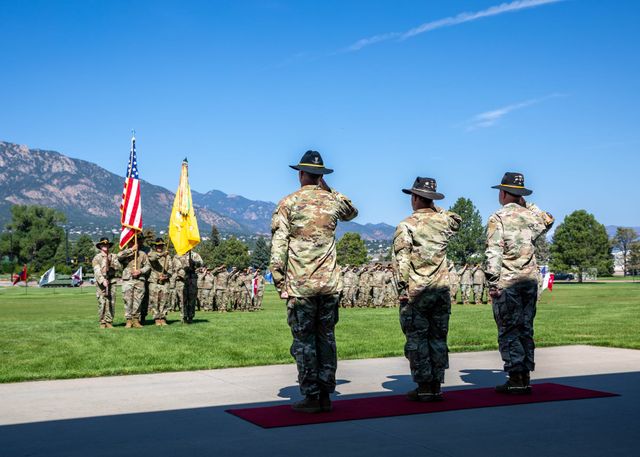 Outgoing Company Commander: 'I hate you all'
Oct 5, 2022 · 3 min
Outgoing Company Commander: 'I hate you all'
Oct 5, 2022 · 3 min
 Captain charged with manslaughter after leaving Lieutenant unattended in parked car
Oct 5, 2022 · 3 min
Captain charged with manslaughter after leaving Lieutenant unattended in parked car
Oct 5, 2022 · 3 min
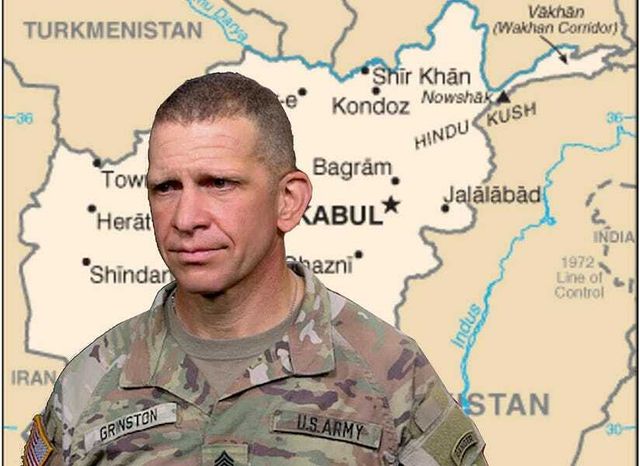 Sergeant major says no one is leaving Afghanistan until all the brass is picked up
Oct 5, 2022 · 2 min
Sergeant major says no one is leaving Afghanistan until all the brass is picked up
Oct 5, 2022 · 2 min
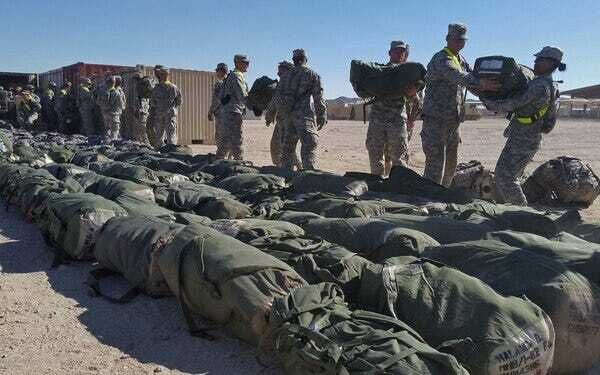 Absolute psycho brought everything on the packing list
May 28, 2021 · 2 min
Absolute psycho brought everything on the packing list
May 28, 2021 · 2 min
What To Do Next
Add more for free shipping.
✓ You qualify for free shipping!
